
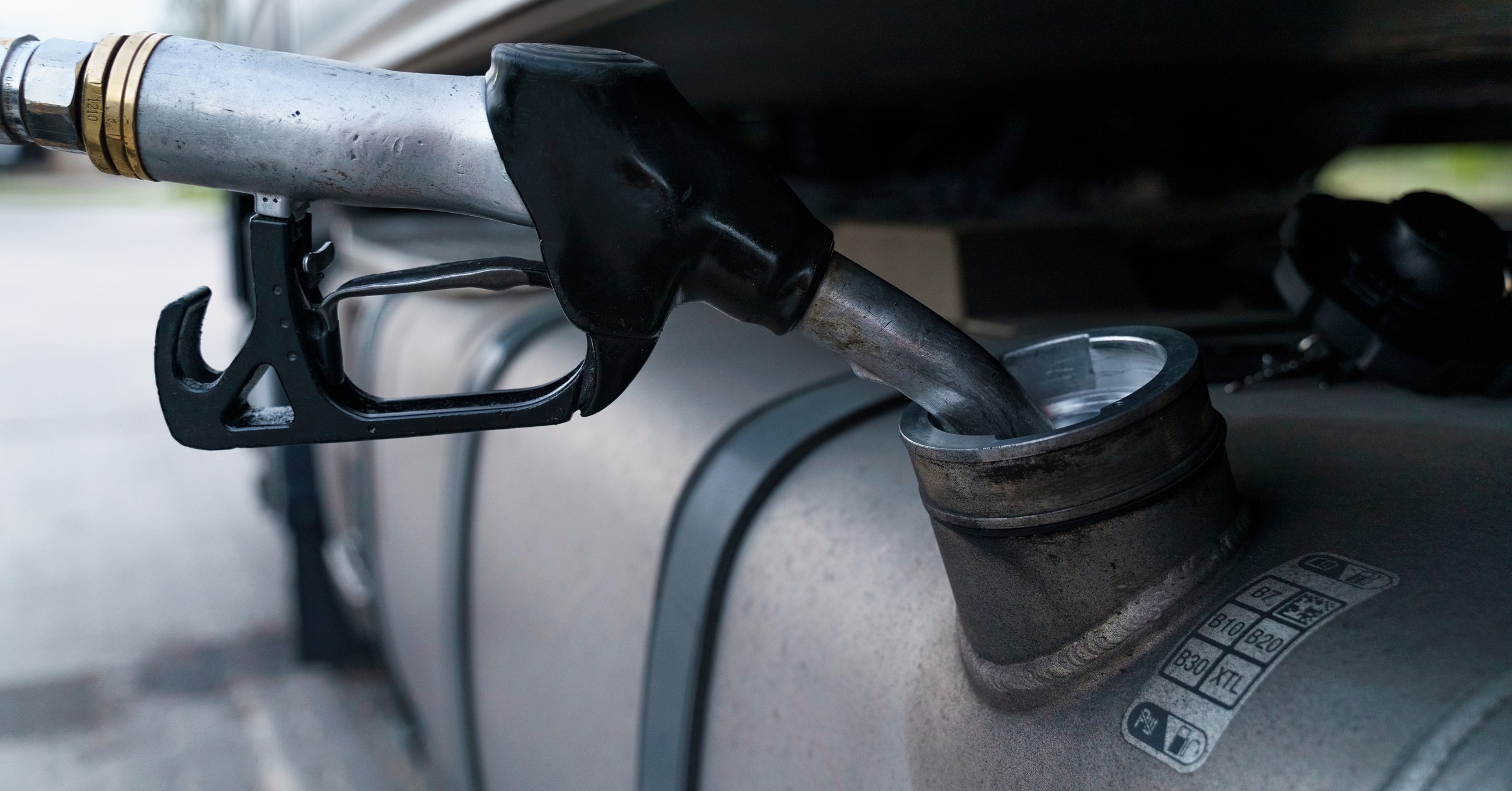
A clear look at how these three fuels relate, why heating oil is dyed red, and what that means for the tank in your basement.
Heating oil vs diesel is one of the most common questions we hear from New York homeowners, and the short answer is that the two fuels are close relatives. The U.S. Energy Information Administration (EIA) describes heating oil and diesel as closely related petroleum products called distillates. A few differences still matter once the fuel reaches your tank, and kerosene adds a third option to the picture.
Here's how the three compare, along with what the differences mean for your price and your burner.
How Close Are Heating Oil and Diesel?
Both fuels come from the same part of the refining process. Modern New York heating oil is also ultra-low sulfur, which narrows the gap further. The EIA defines ultra-low sulfur heating oil as oil with a sulfur content of 15 parts per million or less, and New York was the first state to require it, in 2012. Ultra-low sulfur diesel sits under the same 15 ppm ceiling.
The clearest difference is the red dye. The IRS requires heating oil and other non-highway distillates to be colored red, which marks the fuel as exempt from the taxes charged on fuel sold for public roads. Red-dyed fuel is illegal to use in vehicles that normally operate on roads.
Heating Oil vs Diesel vs Kerosene at a Glance
Fuel | What It Is | Where It's Used |
|---|---|---|
No. 2 heating oil | Ultra-low sulfur distillate dyed red | Home boilers and furnaces, plus water heaters |
Road diesel | Ultra-low sulfur distillate sold with road fuel taxes included | Cars, trucks, and other highway vehicles |
Off-road diesel | Dyed distillate sold without road fuel taxes | Farm and construction equipment |
Kerosene (No. 1) | A lighter distillate drawn off before No. 2 in refining | Space heaters, and cold-weather blends for outdoor tanks |
Where Kerosene Fits
Kerosene is lighter than No. 2 heating oil, and that gives it one useful trait. According to InspectApedia, kerosene has a lower cloud point, waxing point, and pour point than No. 2 oil, so it stays fluid in colder weather. Some suppliers mix kerosene with No. 2 oil for outdoor tanks to reduce the risk of gelling.
Most homes with a basement tank never need that. If your tank or supply line sits outdoors, our guide to cold weather and anti-gel additives covers your options.
Can You Use Diesel in a Heating Oil System?
Because the fuels are so similar, homeowners sometimes wonder whether diesel can stand in during a shortage. Talk with a licensed technician or your oil company before you put anything other than delivered heating oil in your tank. Burners are set up for a specific fuel, and a wrong mix can change how yours runs.
If your tank is running low, the better move is a fill. Our post on never running out of heat explains how to stay ahead of an empty gauge.
Why Heating Oil Prices Follow Diesel
The two fuels move together on the wholesale market. In 2013 the New York Mercantile Exchange switched its heating oil futures contract to the ultra-low sulfur diesel specification, so a rise in diesel usually shows up in your heating oil price too.
That link explains why a freight surge or a refinery issue can lift what you pay at home. Our guides on what goes into a heating oil delivery cost and Westchester heating oil prices this winter show how those wholesale moves reach your ticket.

What This Means for Your Tank
A few practical points follow from all of this.
- Order heating oil for your home system, and leave diesel and kerosene decisions to your technician.
- Expect your price to rise and fall with the diesel market, so check how many gallons you need before you order.
- Keep the tank at least a quarter full through the cold months.
- Ask your supplier about cold weather handling if any part of your system sits outdoors.
- Book a burner tune-up before winter so your equipment runs well on the fuel you have.
Heating Oil, Diesel, and Kerosene Questions
Is heating oil the same as diesel?
They're closely related distillates, and both are low in sulfur in New York. Heating oil carries a red dye and is sold without road fuel taxes, while road diesel is taxed and not dyed red.
Is kerosene the same as heating oil?
No. Kerosene (No. 1 fuel oil) is a lighter distillate that stays fluid in colder weather than No. 2 heating oil. Most home systems are set up for No. 2 oil, so ask a technician before you change fuels.
Why is heating oil dyed red?
The IRS requires non-highway distillates to be colored red. The dye marks the fuel as exempt from road fuel taxes and shows that it isn't meant for vehicles.
Does Pinstripe deliver Bioheat?
Yes. New York requires at least B10 in every delivery, and you can read how that works in our Bioheat mandate guide.
ORDER HEATING OIL FOR YOUR HOME
Call 914-980-6442 or order online at pinstripefueloil.com. Pick your delivery date and time at checkout.