
A Practical Guide for NYC and Westchester Homes
It's a simple question that surprisingly few people can answer with confidence: how many gallons of heating oil should you actually order?
Order too little and you're calling for a rush delivery in the middle of a cold snap, paying more per gallon and hoping the truck can get to you in time. Ordering more than you need just ties up cash for a while, which is the far smaller problem.
This guide gives you the actual numbers: tank sizes, daily consumption rates, and a simple formula. Order with confidence every time, whether you're in a Bronx row house or a Westchester colonial.
Step 1: Know Your Tank Size
Before you can figure out how many gallons of heating oil to order, you need to know what you're working with. Residential heating oil tanks come in a handful of standard sizes, and the most common one in New York City homes is the 275-gallon tank: a squat, oval-shaped steel tank that sits in most basements.
Here's a quick reference for the tanks you're most likely to encounter:
Tank size | Capacity | Usable fill* | Order at 1/4 tank |
|---|---|---|---|
275 gal (standard) | 275 gal | ~245 gal | ~175 gal |
330 gal | 330 gal | ~295 gal | ~210 gal |
500 gal | 500 gal | ~450 gal | ~325 gal |
550 gal | 550 gal | ~495 gal | ~355 gal |
1,000 gal (commercial) | 1,000 gal | ~900 gal | ~650 gal |
* Tanks are never filled to 100% capacity. The space at the top allows for fuel expansion and safe handling. A 275-gallon tank will typically accept 245 to 250 gallons when nearly empty.
How to Find Your Tank Size
Most tanks have the capacity stamped or printed on a label on the side or top of the tank. If that's worn off, measure the tank: a standard 275-gallon tank is roughly 27 inches wide, 44 inches tall, and 60 inches long. A 330-gallon tank is the same footprint but taller.
If you're in a multi-family building and aren't sure of the tank size, ask your super or check the building's oil delivery records. Past invoices will show how many gallons were delivered and how often, which gives you a solid estimate.
NOT SURE WHAT SIZE TANK YOU HAVE?
When you call to place your first order with Pinstripe, tell us your address and we can often identify the likely tank size based on the building type and neighborhood. Our drivers keep notes on the properties they've served, and for first-time customers we'll help you figure it out before the truck rolls.
Step 2: Understand How Much Oil Your Home Actually Burns
Tank size tells you the ceiling. What determines how often you need a delivery is your daily consumption rate, and that varies significantly based on weather, home size, and how well-insulated your building is.
Here's a practical usage guide based on what we see across the homes we deliver to in the Bronx, Westchester, and surrounding boroughs:
Conditions | Outdoor temp | Daily use (avg home) | Days per 275-gal tank |
|---|---|---|---|
Mild | 35 to 45°F | 3 to 4 gallons | ~60 to 80 days |
Cold | 20 to 34°F | 5 to 7 gallons | ~35 to 50 days |
Very cold | 5 to 19°F | 8 to 10 gallons | ~25 to 30 days |
Extreme | Below 5°F | 11 to 14+ gallons | ~18 to 22 days |
Based on a typical NYC/Westchester row house or single-family home, approximately 1,200 to 1,800 sq ft, with average insulation. Larger homes or older, drafty buildings will burn significantly more.
What This Means in Practice
During a typical New York winter, which runs cold from mid-December through early March, you can expect to burn through a full 275-gallon tank in roughly 6 to 10 weeks depending on how cold it gets. During an extreme cold snap like the ones the Bronx regularly sees in January and February, that same tank can last as little as three weeks.
The practical takeaway: if you're ordering in fall before winter sets in, filling to capacity makes sense. Mid-winter, a full fill is still smart. It gives you maximum buffer against cold snaps and delivery delays.
Step 3: The Simple Formula for How Much to Order
You don't need to calculate this precisely every time. But here's the thinking that should drive your order:
THE ORDER FORMULA
How much to order = (Tank capacity × 0.9) minus current level
Example: 275-gallon tank, currently at 1/4 full (about 69 gallons remaining)
275 × 0.9 = 247 gallons (max safe fill)
247 − 69 = ~178 gallons to order
In plain terms: fill it as close to full as makes sense given your budget. Cash flow is the only real reason to hold back. Oil keeps well for 18 months to 2 years in a clean, intact tank, there's no penalty for keeping it full, and a full tank at the start of a cold stretch can save you a panicked call at midnight.
When to Order
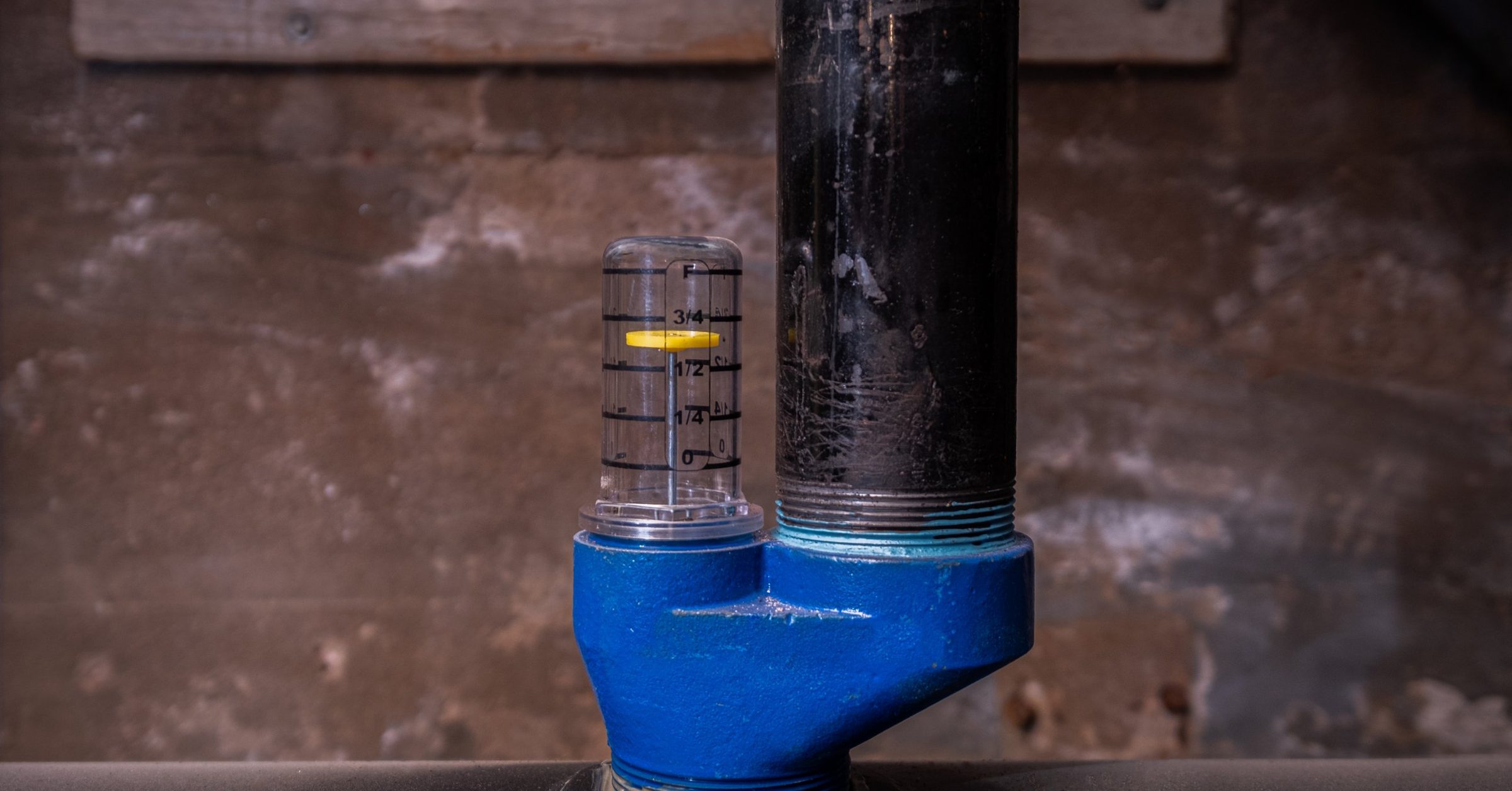
The quarter-tank rule is simple: order when your gauge hits 1/4, well before it hits empty. At a quarter tank on a 275-gallon setup, you have roughly 68 gallons left: about one to two weeks of heat in normal winter conditions, and as little as five days during a cold snap. That's your buffer to schedule a delivery without urgency.
Below a quarter tank, you're gambling on timing. Delivery windows stretch during cold weather, when everyone is ordering at once. Running to empty means a more complicated restart. The fuel line runs dry, air gets in, and you often need a technician to bleed the system before the boiler will fire again.
THE QUARTER-TANK RULE: COMMIT IT TO MEMORY
Check your gauge every Sunday morning during heating season. If you're at or below 1/4 tank by Thursday, place an order. That gives you a realistic delivery window before the weekend, when demand spikes.
NYC and Westchester Factors That Affect Your Order
A few things that are specific to ordering heating oil in the New York area:
Minimum Order Requirements
Most heating oil companies, including Pinstripe, have a minimum order of 100 gallons. Orders below the minimum may be subject to a short-load surcharge. This is standard across the industry. Smaller deliveries cost disproportionately more to route and run. If you're ordering for the first time and aren't sure how much you need, 150 to 200 gallons is a safe starting point that clears the minimum comfortably.
Building Type Matters
NYC's housing stock ranges from single-family homes with straightforward 275-gallon basement tanks to six-story apartment buildings with 1,000-gallon tanks in a locked utility room. If you're managing a multi-family building, your consumption math is different. A six-unit building running three boilers can burn 30 to 50 gallons per day in cold weather. Order accordingly and don't let a large building's tank drop below 1/4, because the fill is more time-sensitive and restocking a large commercial tank takes longer to schedule.
Weather Windows in the New York Area
Westchester runs colder than the boroughs, particularly in the northern townships. If you're in Yonkers, the temperature swings look a lot like the Bronx. If you're in Bedford, Mount Kisco, or Somers, budget for consumption rates closer to the "Very Cold" and "Extreme" rows in the table above. Those areas see sustained sub-zero wind chills that push daily burn rates higher than city averages.
Bioheat Blending: Does It Affect Volume?
New York State requires Bioheat fuel with at least 10% biodiesel (B10) blended into standard No. 2 heating oil. This is what Pinstripe delivers. Bioheat burns at essentially the same rate as straight No. 2 oil, so your consumption estimates don't change. The blending requirement is about compliance and doesn't change how your system performs.
Quick Reference: How Many Gallons of Heating Oil to Order
- Full tank fill at start of season: Order to capacity minus current level. For a 275-gallon tank at 1/4 full, that's roughly 175 to 200 gallons.
- Mid-winter top-up: Order 150 to 200 gallons if you're at or below half a tank. This keeps you comfortable through a 3 to 4 week cold stretch without going to zero.
- Before a cold snap: If temperatures below 15°F are forecast and you're under half a tank, fill up. The math on daily burn during extreme cold is unforgiving.
- End of season: Don't drain your tank in spring. Keeping 50 to 75 gallons in the tank through summer helps prevent condensation and sludge buildup. A partial fill in March or April often saves you a service call the following fall.
- First delivery ever: Order at least 150 gallons. This clears the minimum, gives you a meaningful amount of heat, and lets you get a feel for your home's burn rate before committing to a larger fill.
The Bottom Line
The right amount to order is almost always as much as your tank can hold, unless cash flow is genuinely a constraint right now. Oil keeps well in a properly maintained tank, a full tank is protection against cold snaps and delivery delays, and topping off costs no more per gallon than a partial fill.
When in doubt, fill it. If a full fill isn't in the budget, stay above a quarter. And if you're not sure what size tank you have or how much is in it right now, call us. We'll help you figure it out before we send a truck.
READY TO ORDER? PINSTRIPE MAKES IT SIMPLE.
We deliver to the Bronx, Brooklyn, Manhattan, Queens, and Westchester County. Minimum order 100 gallons. Transparent pricing. You see your rate before you confirm.