
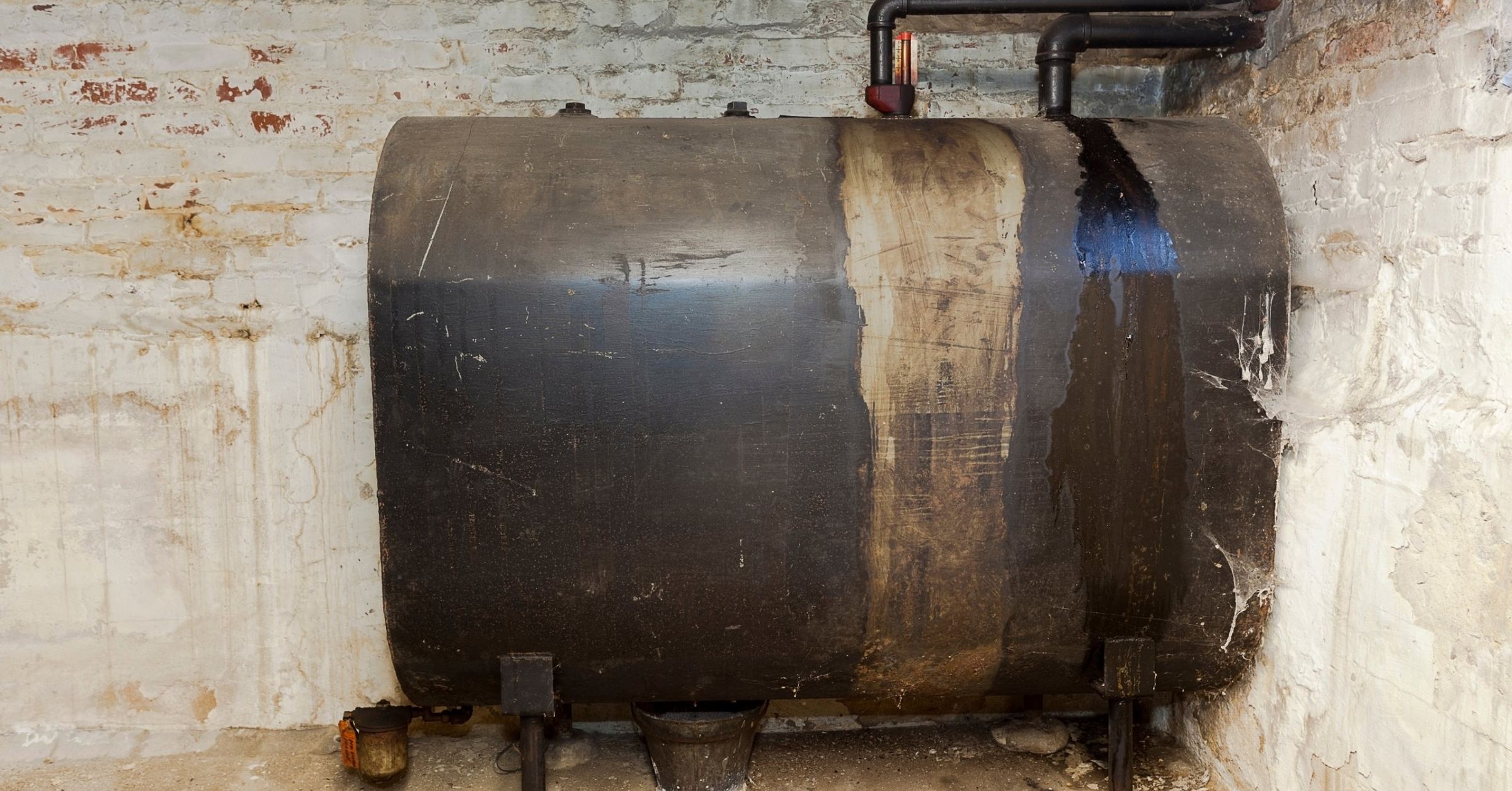
And When It Starts to Go Bad
Most people who ask about heating oil shelf life fall into one of two situations. Either they just bought a house that came with oil in the tank and they have no idea how old it is, or they went through a mild winter, used less than expected, and now have a significant amount of oil left over that they're not sure about.
Both are reasonable concerns. Heating oil does not last forever. It also does not go bad quickly, and the answer is more nuanced than most sources let on.
Here is what you actually need to know: how long oil keeps, what causes it to degrade, how to tell if yours has gone bad, and what to do about it if it has.
Heating Oil Shelf Life: 18 Months to 2 Years Under Normal Conditions
Heating oil stored in a clean, intact, properly maintained tank will generally stay usable for 18 months to 2 years without any intervention. Some sources cite up to 2 years as a safe window. In practice, properly treated oil in a good tank can last longer, and poorly stored oil in a compromised tank can degrade faster.
The key word throughout all of this is "stored." Heating oil does not have an expiration date stamped on it. Its longevity depends almost entirely on the conditions inside the tank.
Heating oil degrades because of what happens to it over time: oxidation, water contamination, sediment buildup, and in some cases microbial growth. Understanding those four factors tells you everything you need to know about whether your oil is still good.
The Four Things That Degrade Heating Oil
1. Oxidation
Heating oil reacts with oxygen over time, a process called oxidation. This is the same basic chemistry that causes iron to rust or cooking oil to go rancid. In heating oil, oxidation produces gum and varnish deposits that settle to the bottom of the tank as sludge. That sludge can clog fuel filters, block fuel lines, and cause burner problems when the tank gets low enough that the intake draws from the bottom.
Oxidation is slow in a well-sealed tank but accelerates in tanks with air space at the top. This is one reason a nearly full tank stores better than a nearly empty one: less air means less oxygen, which means slower oxidation.
2. Water Contamination
Water is the most common and most damaging contaminant in a heating oil tank. It gets in through condensation: warm, moist air enters the tank through the vent pipe, cools against the cold tank walls, and leaves behind water droplets that sink to the bottom. This happens in every outdoor or basement tank over time, but it accelerates in tanks that sit partially empty through warm, humid months.
Water at the bottom of the tank creates two problems. First, it promotes rust on the inside of steel tanks. Second, and more importantly, it creates an ideal environment for microbial growth.
3. Microbial Growth
Certain bacteria and fungi thrive at the interface between water and oil. Left unchecked, these microorganisms form a dark, sludgy biofilm sometimes called "diesel bug" that can clog filters, degrade fuel quality, and even accelerate tank corrosion. Microbial contamination is more common than most homeowners realize, particularly in tanks that have sat partially full through a warm summer.
If you open your tank and see a dark, thick layer at the bottom or notice a sulfur-like smell from the fuel, microbial contamination is a likely culprit.
4. Sediment and Sludge Buildup
Over time, natural byproducts of oil degradation, along with rust particles from the tank walls and any water contamination, settle to the bottom as sediment and sludge. This is a normal part of tank aging but becomes a problem when it builds up enough to get drawn into the fuel line. A heavy sediment load typically shows up first as a clogged fuel filter, then as burner problems or lockouts.
SEDIMENT IN OLD TANKS IS NOT ALWAYS OBVIOUS
Sludge sits at the bottom and does not affect fuel quality until the tank runs low enough for the fuel intake to reach it. This means you can burn through oil from an old tank for years without problems, then suddenly experience filter clogs and burner issues when the tank drops to the bottom quarter. This is one more reason to order before you get that low.
How Long Is Too Long? A Practical Timeline
Here is a straightforward heating oil shelf life reference based on typical residential tank conditions in the New York area:
Timeframe | Oil condition | What to do |
|---|---|---|
Under 18 months | Good. Burns cleanly, no concerns. | Order and burn normally. |
18 months to 2 years | Degrading. Slight sediment possible. | Have tank inspected before next season. Consider additives. |
2 to 3 years | Noticeably degraded. Sludge likely forming. | Test before use. Professional cleaning recommended. |
Over 3 years | Likely contaminated. Sludge and microbial growth possible. | Do not use without professional assessment. Tank may need cleaning or pumping. |
Treat these as guidelines. A well-maintained tank with fuel additives and annual inspection can keep oil viable significantly longer. A compromised tank with water infiltration and no treatment can see problems emerge before 18 months.
How to Tell If Your Heating Oil Has Gone Bad
You do not need a lab test to spot the warning signs of degraded oil. Here is what to look for:
Check the Color
Fresh No. 2 heating oil is a clear, amber color, similar to apple cider. Oil that has begun to degrade turns darker, shifting toward brown or dark red. Heavily degraded oil can appear nearly black. If you can access your tank and get a sample, hold it up to the light. Dark color is a reliable early indicator of degradation.
Check for Visible Sediment or Water
Draw a sample from the bottom of the tank if possible, using a hand pump or fuel sampling kit available at most hardware stores. If the sample shows visible particles, a dark sludgy layer, or a distinct separation between oil and water at the bottom of the sample tube, the tank has contamination that needs to be addressed.
Check the Fuel Filter
The fuel filter on your burner is the first line of defense against sediment. If you or your technician is replacing filters more frequently than usual, or if filters are clogging up dark and dirty faster than expected, that is a strong sign of degraded fuel in the tank.
Check for Smell
Fresh heating oil has a mild petroleum odor. Oil that has undergone significant microbial contamination often smells distinctly sour or sulfurous, like rotten eggs. If the smell coming from your tank or fuel line seems off, trust your nose. That is worth a professional inspection.
Watch for Burner Problems
Increased burner lockouts, sooty flame, poor combustion, or a boiler that runs but struggles to maintain temperature can all point to fuel quality issues. If your system was running fine and starts behaving differently without a clear mechanical explanation, degraded fuel should be on the diagnostic list.

WHEN IN DOUBT, CALL A TECHNICIAN
A heating technician can test your fuel quality, inspect the tank interior, and assess whether you need a simple filter change, a fuel additive, or a full tank cleaning. It's a straightforward service call and far cheaper than dealing with a clogged fuel system mid-winter.
What to Do With Old or Degraded Oil
If the Oil Is Borderline: Use Fuel Additives
For heating oil in the 18-month to 2-year range that is showing early signs of degradation, a fuel additive can extend its shelf life and improve combustion. Biocide additives kill microbial growth. Sludge dispersants break up bottom sediment and keep it in suspension so it burns off before it can clog filters. Stabilizers slow further oxidation.
These are widely available at heating supply stores and online. Your technician can recommend the right product for your specific tank and situation. Additives won't rescue seriously contaminated oil. For oil that is aging but still usable, they're a legitimate maintenance tool.
If the Oil Is Seriously Degraded: Tank Cleaning
If your oil has been sitting for three or more years, or if you are seeing significant sludge and water contamination, the right move is a professional tank cleaning. A technician will pump out the remaining oil, remove sludge and sediment from the tank bottom, treat any microbial contamination, inspect the tank walls for rust or damage, and refill with fresh fuel.
A cleaning costs real money, though considerably less than replacing a fuel system that has been clogged by contaminated oil, or dealing with a tank failure or leak from a tank that has rusted from the inside out.
If the Tank Itself Is Damaged: Replacement
Water contamination that has been sitting long enough will rust the inside of a steel tank. If a tank inspection reveals significant corrosion, pitting, or structural compromise, cleaning and treating the fuel is not enough. A compromised tank is a liability. In New York, an oil spill from a failed tank is an environmental violation that can result in significant cleanup costs and fines. If your tank is older than 20 to 25 years or shows signs of serious corrosion, replacement is the responsible call.
KNOW THE SIGNS OF A FAILING TANK
Oil stains or wet spots around the base of the tank, a persistent oil smell in the basement, rust streaks on the outside of the tank, or a gauge that reads low despite a known full delivery are all signs worth taking seriously. Do not ignore them. A small leak in a basement tank can become a significant and expensive problem quickly.
How to Keep Your Oil Fresh: Practical Maintenance Tips
The good news is that you can stretch your heating oil shelf life with basic maintenance habits.
- Keep the tank reasonably full. A fuller tank has less air space, which means less oxidation and less condensation. This is one of the practical benefits of topping off at the end of a season so the tank doesn't sit low through summer.
- Schedule an annual inspection. A technician who services your burner annually will also catch early signs of tank issues: rust, water, and sediment buildup before they become expensive problems.
- Replace the fuel filter on schedule. Most residential heating systems have a fuel filter that should be changed at least once a year, typically at the annual tune-up. A clean filter catches sediment before it reaches the burner.
- Use a biocide additive in spring. If your tank will be sitting through a warm summer, adding a biocide before the heating season ends is cheap insurance against microbial growth.
- Check the vent pipe and fill cap. Make sure the vent pipe screen is clear and the fill cap seals properly. Both are entry points for moisture and debris.
- Order before the tank gets too low. Consistently running the tank to near-empty stirs up bottom sediment and pulls it toward the fuel intake. The quarter-tank rule protects your system as much as it protects your heat supply.
What About the Oil That Came With Your House?
This is the question we hear most often from people who have just bought a property. There was oil in the tank when they moved in, the seller said it was included in the sale, and now they want to know if they can use it.
The honest answer: probably yes, with caution. If the tank is in good physical condition and the oil appears to be reasonably fresh (light amber color, no visible sediment, no unusual smell), it is likely usable. Have a technician inspect the tank and replace the fuel filter before you start drawing on it.
If the tank is old, the oil is dark, or you cannot determine when the last delivery was made, get a professional assessment before relying on it as your primary heat source. The cost of an inspection is trivial compared to the cost of a burner service call in the middle of a cold snap because degraded fuel clogged your system.
A NOTE ON INHERITED TANKS IN NYC AND WESTCHESTER
New York State has specific regulations around heating oil tanks, particularly regarding leaks, abandonment, and replacement. If you have purchased a property with an older tank and you are not certain of its condition, a registered tank inspector can give you a compliance assessment along with the fuel quality check. This is especially important if the tank is outdoors or if there is any history of leaks on the property.
The Bottom Line
Under normal conditions, heating oil shelf life in a well-maintained tank is 18 months to 2 years without significant degradation. Most problems come from what happens inside the tank over time: oxidation, water, sediment, and microbial growth. All of those are manageable with basic maintenance.
If you have oil that has been sitting for more than a year, take five minutes to check the color, smell, and filter condition before the next heating season. If something seems off, a professional inspection is cheap peace of mind. If everything looks good, use it normally and keep the tank topped off.
And if you need a fresh delivery to top off or replace old fuel, Pinstripe Fuel Oil serves the Bronx, Brooklyn, Manhattan, Queens, and Westchester County. Fresh B10 Bioheat fuel, transparent pricing, and drivers who know your neighborhood.
FRESH OIL, ON TIME, EVERY TIME.
Pinstripe Fuel Oil delivers to the Bronx, Brooklyn, Manhattan, Queens, and Westchester County. Fresh B10 Bioheat fuel. Transparent pricing. Local drivers who know your block.