
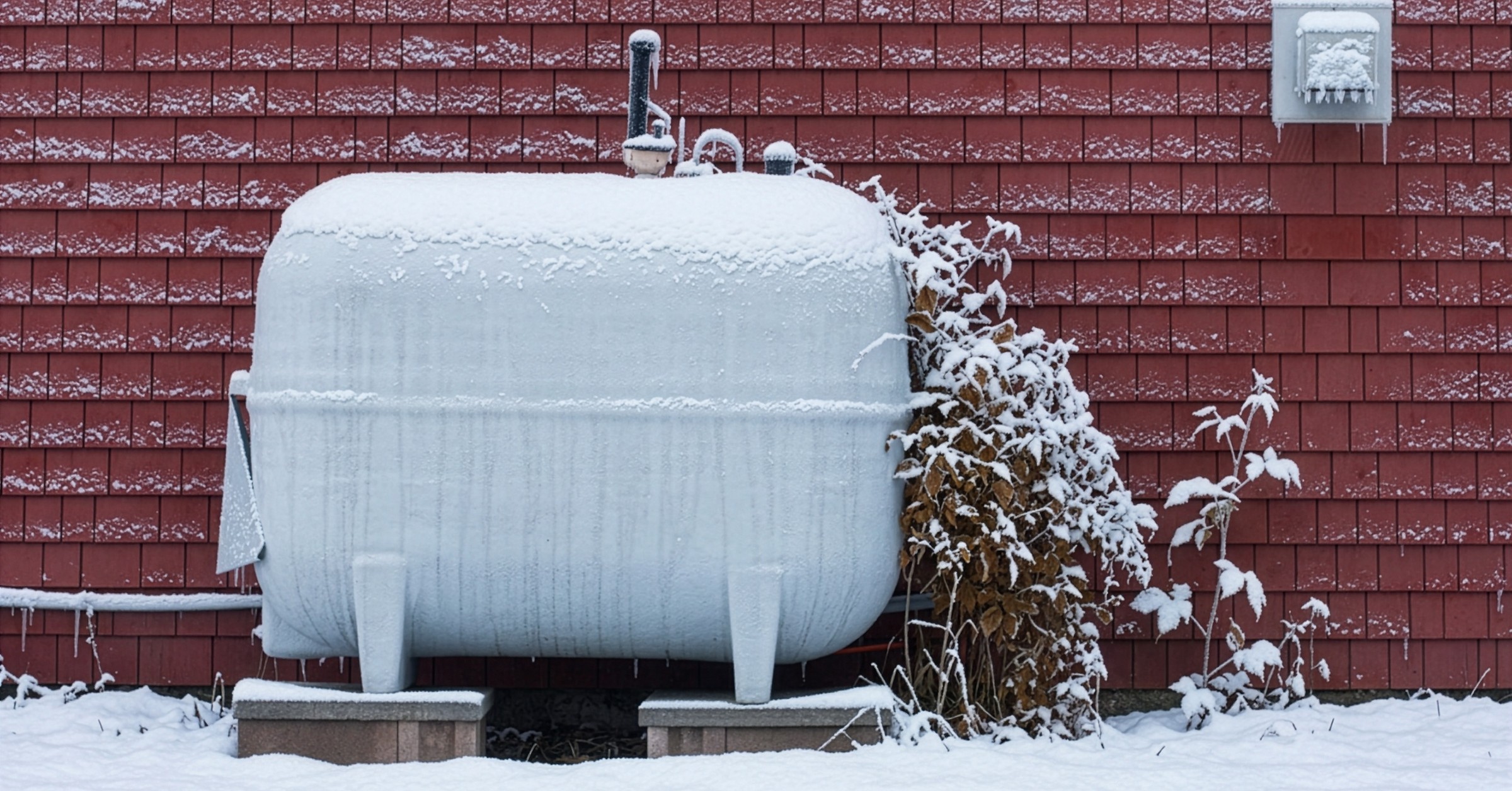
A plain guide to what cold does to heating oil, which tanks are at risk, and what to do before the first hard freeze.
A heating oil anti gel additive keeps the wax in cold oil from clumping, and most New York homeowners with a basement tank will never need one. Heating oil can freeze in a sense, though the more accurate word is gel. When the temperature falls far enough, the wax naturally present in the oil thickens and can slow or stop the flow to your burner. Whether that matters for your home depends mostly on where your tank sits.
Below, you'll find what gelling is, which setups are at risk, and how to protect your heat before the first hard freeze.
Can Heating Oil Freeze? What Gelling Means
Heating oil behaves differently from water in the cold. No. 2 heating oil contains paraffin wax, and as the temperature drops the wax begins to form crystals. The oil turns cloudy first. In deeper cold the crystals bunch together and clog the filter and the thin supply line, and the oil stops moving.
Sources vary on the exact temperatures, and the blend makes a difference. The oil can turn cloudy well before it stops flowing, and flow problems typically show up in the teens or lower. Industry references note that duration and exposure matter as much as the number on the thermometer. A short dip rarely causes trouble, while several hours of cold and wind on an outdoor tank can.
Which Tanks Are at Risk
Location decides most of the risk. Many homes in New York City and Westchester keep the tank in a basement, where the oil stays warm enough to flow.
Tank Setup | Gelling Risk | Why |
|---|---|---|
Basement or cellar | Low | Indoor temperatures stay well above the range where wax forms. |
Underground | Low | The surrounding earth insulates the oil. |
Unheated garage or shed | Moderate | Air temperature can follow the outdoors on a cold night. |
Outdoor above-ground tank | Highest | Wind and freezing air hit the tank and the oil inside it directly. |
Exposed outdoor supply line | Highest | A small line cools fast, even when the tank itself sits indoors. |
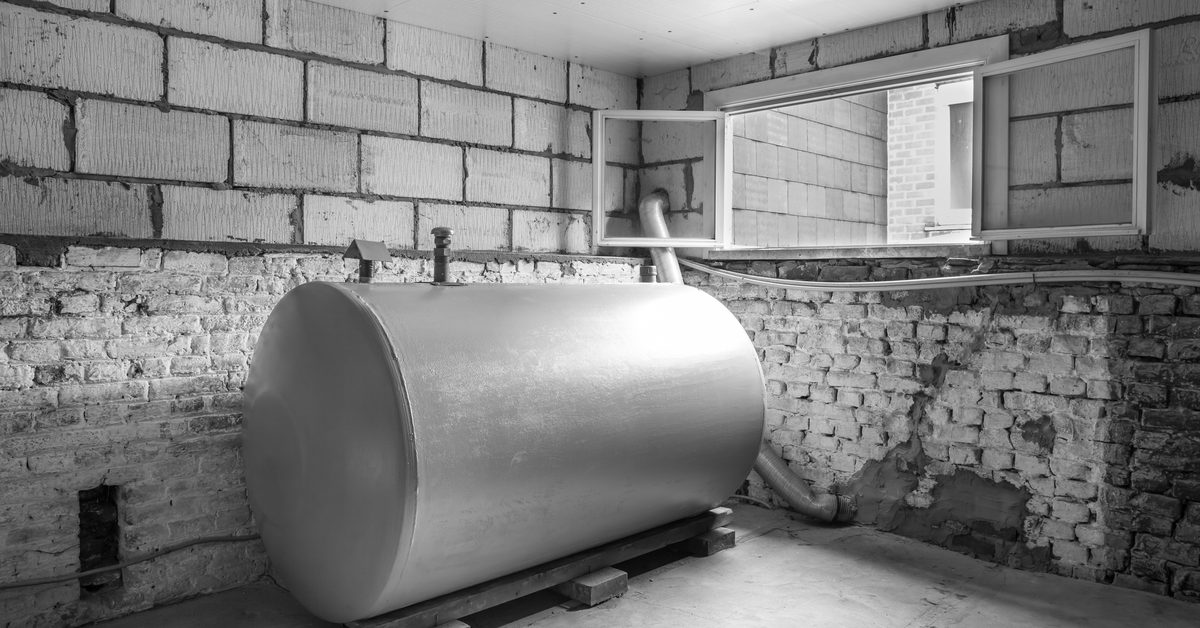
What a Heating Oil Anti Gel Additive Does
An anti-gel additive, also sold as a cold flow improver, changes how wax crystals form. The crystals stay small enough to pass through the filter and line, so the oil keeps moving at lower temperatures. Some products also help disperse water in the tank.
Timing matters. An additive works best when it goes in before the oil gets cold, since it can't dissolve wax that has already formed. Follow the label for the amount, and ask your oil company whether your winter deliveries already include a cold flow treatment and what it recommends for an outdoor tank.
Signs Your Oil Is Gelling
Gelled oil usually shows up as a heating problem on the coldest nights. Common signs include:
- Burner lockout: the burner shuts down and trips its reset button
- Waxy filter: the oil filter looks clogged, cloudy, or full of wax
- Dry line: little or no oil moves through the supply line
- Overnight outages: heat fails in the coldest hours and returns once the day warms up
If you think your oil is gelling, call your oil company or a heating technician. Press the burner reset button no more than once, since repeated resets can flood the combustion chamber. Keep open flames, torches, and space heaters away from the tank and the oil lines.
How to Protect Your Tank Before the First Freeze
A few steps in the fall cover most of the risk.
- Trace where your tank and supply lines run, and note any section exposed to the outdoors.
- Keep the tank at least a quarter full through the cold months, which also guards against running out of heat.
- Schedule your fill ahead of the cold snap by ordering online well before the forecast turns.
- Ask your supplier about a cold flow treatment if any part of your system sits outside.
- Have a technician enclose or insulate exposed tanks and lines, or move them indoors where possible.
- Start the season with fresh oil, since aging oil and sediment clog filters faster.
- Book your burner tune-up and filter change before winter, so a technician isn't rushing in January.
Heating Oil Cold Weather Questions
At what temperature does heating oil gel?
There's no single number. The oil can cloud before it stops moving, and flow problems generally appear in the teens or lower. Wind, a long cold spell, and an exposed tank all raise the risk.
Does Bioheat behave differently in the cold?
New York requires at least B10 in every delivery, as covered in our Bioheat mandate guide. Biodiesel blends can begin to cloud at slightly higher temperatures than plain petroleum oil, so ask your supplier how winter handling works for your tank.
Can I add kerosene or diesel to my tank myself?
Check with a technician or your oil company first. Some suppliers offer winter blends mixed in measured amounts, and a wrong mix can change how your burner runs.
How quickly can I get a delivery in cold weather?
You pick the delivery date and time when you check out online. Winter volume and storms can affect timing, and our team will keep you updated. Here's what happens when the truck pulls up.
KEEP THE HEAT ON THIS WINTER
Call 914-980-6442 or order online at pinstripefueloil.com. Our local team is ready to help you get a fill in before the freeze.